
What is the Best Homeschooling Method?
If you’ve recently started researching homeschooling, you’ve probably been hit with an avalanche of information. Charlotte Mason, Classical, Montessori, Unschooling, Unit Studies, Traditional, Eclectic — it’s enough to make your head spin. So naturally, you ask: What’s the best homeschooling method?
The truth? There’s no one-size-fits-all answer. The best homeschooling method is the one that works best for you and your family — your lifestyle, your child’s personality, your values, your season of life.
Let’s walk through the most popular homeschooling methods and talk about what might make one the right fit for you — and how to start with confidence even if you feel overwhelmed.
Why the Homeschooling Method Matters
Think of homeschool methods as guiding frameworks. They help you know where to start, what to prioritize, and how to shape your day. It helps you decide on a curriculum and determine what values are most important to you. Choosing one doesn’t mean locking yourself into a rigid box — it simply gives you direction when everything feels like too much.
Your method will influence:
- How you structure your days
- The types of resources and curriculum you use
- The atmosphere and culture in your home
- How your children engage with learning
That said, many homeschool families (especially over time) end up blending multiple styles into what’s called an eclectic approach. And that’s perfectly okay.

Popular Homeschooling Methods
1. Charlotte Mason
This method focuses on living books, habit training, nature study, and the arts. Charlotte Mason believed children are whole people, capable of deep thought and worthy of a rich, beautiful education.
Hallmarks:
- Short, focused lessons
- Nature walks and journaling
- Narration instead of tests
- High-quality literature (“living books”)
Pros:
-
Encourages a love of learning and beauty
-
Fosters strong vocabulary and attention to detail
-
Balanced mix of structure and freedom
Cons:
-
Can feel unfamiliar or “soft” to those used to traditional methods
-
May require more parent involvement and preparation
Best for: Families who value beauty, gentleness, and character development over standardized metrics.
2. Classical Education
Classical education is rooted in ancient traditions of the Trivium — grammar, logic, and rhetoric — aligning with stages of child development. It’s rigorous, structured, and builds strong thinkers.
Hallmarks:
- Memorization in early years
- Logic and critical thinking in middle years
- Persuasive writing and debate in later years
- Study of Latin or Greek
Pros:
-
Promotes critical thinking and solid academic foundation
-
Organized and time-tested structure
-
Often tied to strong co-ops and communities
Cons:
-
May feel too rigorous or academic for some families
-
Requires a long-term commitment to a structured approach
Best for: Families who enjoy structure, tradition, and intellectual depth.
3. Montessori
Montessori centers on independence and hands-on learning. Children learn through real-life experiences in carefully prepared environments.
Hallmarks: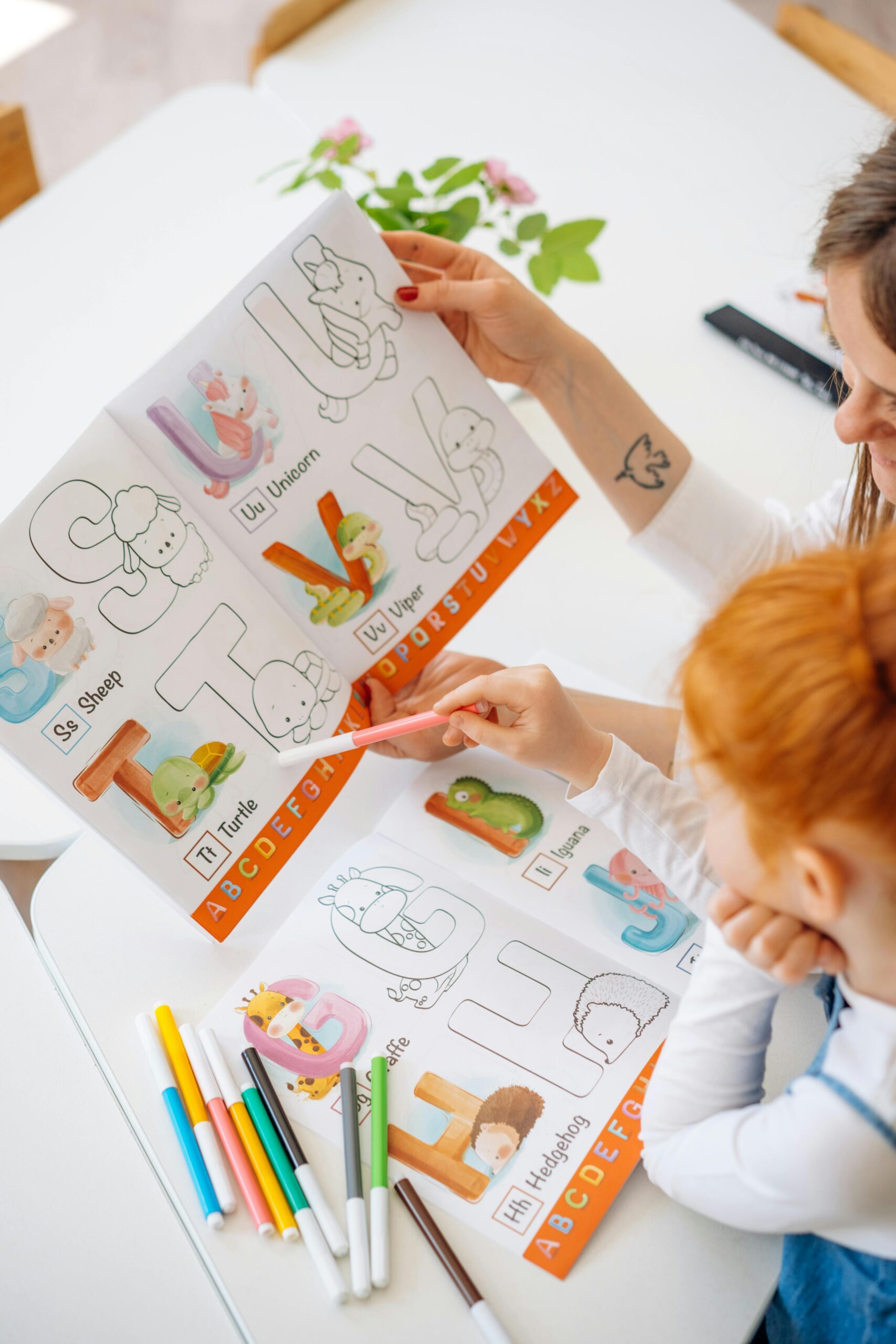
- Child-led exploration
- Practical life skills (cooking, cleaning, gardening)
- Sensory-based learning materials
- Emphasis on self-motivation and natural curiosity
Pros:
-
Promotes independence and self-motivation
-
Great for early childhood development
-
Respectful of the child’s pace and personality
Cons:
-
Can be expensive to replicate at home
-
Less structured curriculum options for older grades
Best for: Families with younger children who value independence and real-life learning.
4. Unschooling
This approach trusts children to direct their own learning based on their interests and curiosity. To be perfectly honest and transparent, this method is my least favorite. I do not believe children will naturally be led to and interested in every thing they need to learn. Part of growing up is learning to do some things we are not necessarily interested in, and that is part of maturing and developing good character. Those are my two cents 😉
Hallmarks:
- No formal curriculum
- Interest-led learning
- Integration of daily life into education
- Strong parent-child connection
Pros:
-
Highly flexible
-
Encourages self-directed learning and creativity
-
Can feel helpful for kids who don’t thrive in traditional environments
Cons:
-
Too unstructured for some (I would argue, most) families
-
Can be difficult to assess progress or stay on track with goals
Best for: Families who believe that learning happens best outside of traditional models and want maximum flexibility.

5. Traditional / School-at-Home
This mirrors the public or private school experience — desks, textbooks, schedules, and tests.
Hallmarks:
- Full curriculum sets (Abeka, BJU, ACE)
- Grade levels and report cards
- Formal tests and quizzes
- Structured daily routine
Pros:
-
Very structured and easy to follow
-
Feels familiar to many parents
-
Often aligned with state or provincial standards
Cons:
-
Can feel rigid or overwhelming
-
May lead to burnout, especially for younger kids
Best for: Parents who want clear expectations and a familiar format.
7. Unit Studies
Unit studies revolve around a central theme or topic, integrating multiple subjects—like science, history, language arts, and even math—into one cohesive study.
Hallmarks:
- Thematic, project-based learning
- Hands-on activities and real-world connections
- All ages can study the same topic at different levels
- Flexible pacing and creative expression
Pros:
- Makes learning engaging and meaningful
- Great for teaching multiple children together
- Encourages deep dives into topics kids are excited about
- Easy to adapt to interests and seasons
Cons:
- Can require more upfront planning
- Harder to cover every subject thoroughly without intention
- Might lack long-term structure if used alone
Best For:
Families who enjoy hands-on, interest-led learning and want a flexible way to teach multiple children together using themed units. I really love the idea of adding a few unit studies into another method to keep things interesting and engaging.
6. Eclectic Homeschooling
Most families eventually land here — blending what works from several methods. That’s the beauty of it. You get to pick and choose whatever works for you and your kids!
Hallmarks:
- Custom curriculum plans
- Flexible scheduling
- Adaptability for each child
- Freedom to explore and change
Pros:
-
Highly adaptable
-
Lets you take what works and leave what doesn’t
-
Can evolve with your child’s needs over time
Cons:
-
Requires more decision-making and planning
-
Can feel inconsistent without a clear vision
Best for: Families who want to tailor their homeschool based on season, interest, and need.
So, How Do I Pick the Best One?
Start by asking yourself:
- How does my child learn best?
- How much structure do we need?
- What do I value most — creativity, faith, flexibility, academics?
- What’s my teaching personality along with my personal strengths and weaknesses?
- Are we in a busy or calm season of life?
There’s no “perfect” place to start — just a step forward. Try something that feels natural and give yourself permission to learn together.
 Real Talk: You Won’t “Ruin” Your Child’s Education
 Real Talk: You Won’t “Ruin” Your Child’s Education
Deep down, many new homeschoolers fear this: What if I mess this up?
But here’s the truth — you care. You’re showing up. And that makes a huge difference. Homeschooling is about intention and connection, not perfection.
If a method or curriculum isn’t working, you can change it. If your rhythm is off, you can adjust it. That’s the beauty of this lifestyle — it grows with you.

Pin it to read or reference later!
Final Thoughts: It’s Not About the Method
Choosing the best homeschooling method isn’t about finding a perfect formula—it’s about discovering what fits your family’s rhythm, values, and needs. Every method comes with its strengths and challenges, and the beauty of homeschooling is that you aren’t locked into just one. Many families start with a single approach and gradually adjust as they learn more about what works best for their children. Whether you’re drawn to the structure of Classical education, the beauty of Charlotte Mason, or the freedom and flexibility of Eclectic homeschooling, remember this: you are not alone, and you don’t have to have it all figured out on day one. Give yourself the freedom to explore, adjust, and grow. Your homeschool will become a unique reflection of your family—and that is what makes it so powerful.
Your children don’t need perfect systems. They need you — showing up, listening, and learning alongside them.
Start small. Stay flexible. Choose what feels most natural. Adjust when needed. You’re doing better than you think.