

Do Homeschool Kids Struggle Socially?
One of the most persistent concerns surrounding homeschooling is the question of socialization. It’s often the first doubt raised by well-meaning friends, relatives, or even strangers when parents mention their decision to homeschool:
“But won’t your kids struggle socially?”
This question reflects a deep-rooted cultural assumption that traditional school settings are the gold standard for developing social skills. After all, school is where children are surrounded by peers, placed in group settings, and given daily opportunities to interact. But is that the only—or even the best—way to nurture social development? The reality is far more nuanced. Homeschooling doesn’t automatically lead to a struggle socially, just as attending school doesn’t guarantee strong social skills. In fact, many homeschoolers thrive socially, developing deep friendships, strong communication skills, and real-world confidence through flexible, intentional, and often more meaningful interactions.
So let’s address it honestly: Do homeschool kids struggle socially? The answer is: not necessarily—and certainly not by default. In fact, most homeschooled children are thriving socially, just in different and often deeper ways than their traditionally schooled peers.
Let’s take a closer look at this issue—where the concern comes from, what social development looks like for homeschoolers, and how parents can support healthy social growth along the way.
Where Does the Concern that Homeschoolers will Struggle Socially Come From?
The concern about homeschoolers and socialization often comes from a misunderstanding of what “socialization” actually means.
Socialization isn’t just about being around people. It’s about learning to communicate, cooperate, show empathy, resolve conflict, and function within a community. In traditional school settings, these interactions happen among peers in large group environments. For many, that’s seen as the “default” social context.
But that environment doesn’t automatically produce strong social skills—and homeschooling doesn’t automatically hinder them. Social development depends on quality of interaction more than quantity. And homeschoolers often have the freedom to interact with people of all ages, not just same-aged peers, which can actually enhance social maturity.
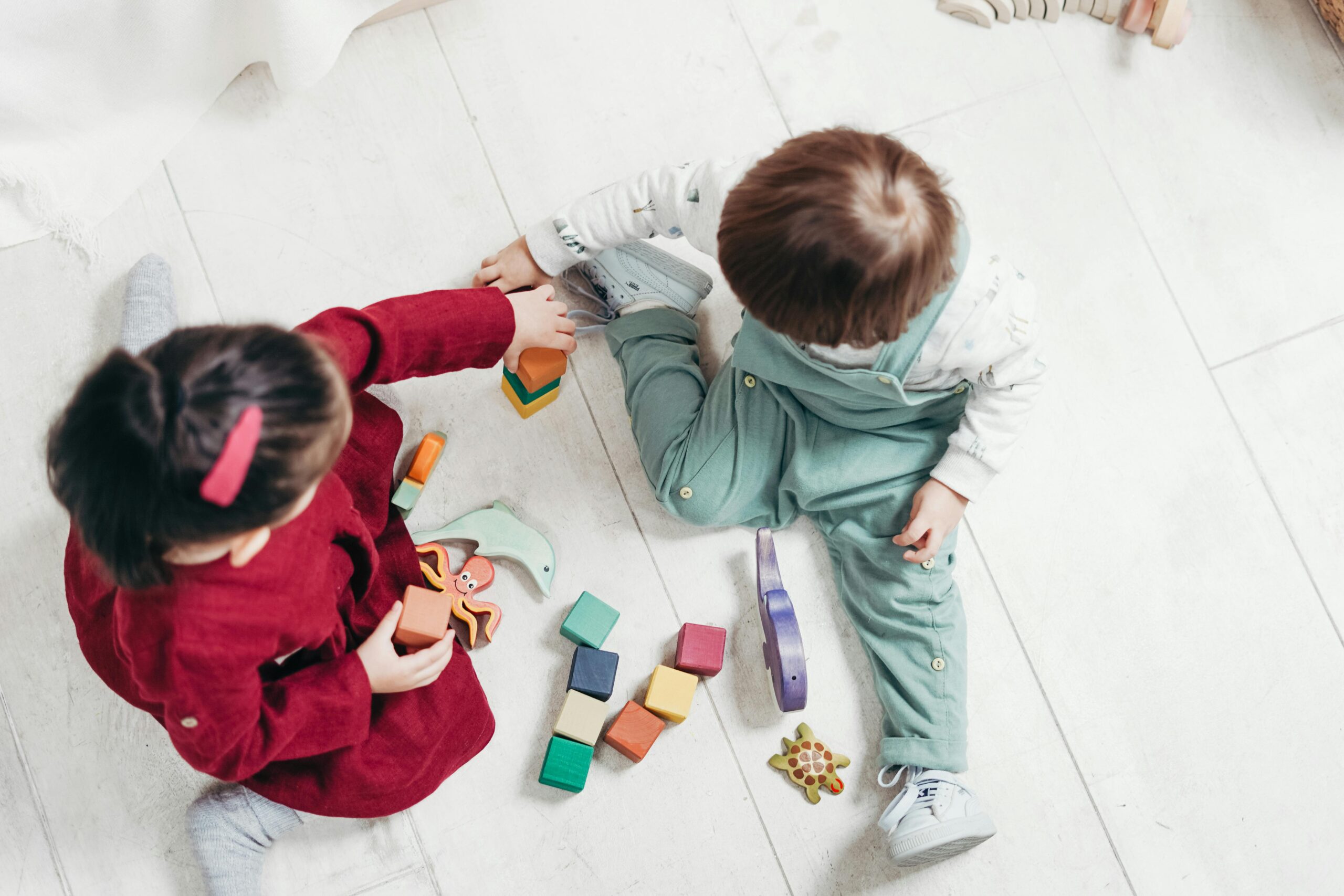
What Does Socialization Look Like for Homeschoolers?
Here are just a few examples of how homeschoolers experience social development:
1. Sibling and Family Interaction
Many homeschoolers spend more time with family members of different ages. They learn to share, collaborate, and communicate across generations. Younger siblings often benefit from this too, as they are brought into activities, read-alouds, and family discussions even before they might be ready for them.
2. Local Church Involvement
Being actively involved in a local church can be a powerful way for homeschoolers to develop strong social skills, even from a very young age. Churches often provide built-in opportunities for children to interact with others through Sunday school classes, children’s programs, youth groups, and service projects. These environments encourage teamwork, empathy, and communication in a setting that reinforces shared values. Younger children learn to listen to adults outside their immediate family, make friends across age groups, and feel a sense of belonging within a larger community. The familiar, supportive environment of a close-knit church allows them to practice communication, cooperation, and compassion in real-life ways—making it a natural extension of their social learning outside the home.
3. Co-ops, Enrichment Classes, Extracurricular Activities
Homeschool co-ops offer regular group learning opportunities—think science labs, art workshops, book clubs, or drama groups. These aren’t just social—they’re collaborative. Kids learn to take turns, speak up, lead projects, and follow group expectations. Additionally, homeschoolers join community sports teams, dance classes, music lessons, scouts, 4-H, martial arts, and more. These settings provide structure, peer interaction, and a sense of teamwork just like any traditional extracurricular.
4. Volunteer and Real-World Experiences
Because their schedules are flexible, homeschoolers often volunteer at food pantries, animal shelters, libraries, or churches. These opportunities foster responsibility, empathy, and real-world communication with people of all ages.
5. Field Trips and Playdates
Many homeschoolers are out and about during the week—at museums, nature centers, parks, and libraries. They often socialize in mixed-age groups, which mirrors real-world interactions more accurately than a classroom of 25 same-aged peers.
As has been said,
“Homeschooling allows you the freedom to step off the highway of learning and take a more scenic route along a dirt road.” – Tamara L. Chilver (link here)
Do Some Homeschoolers Struggle Socially?
Yes—just like some public or private school students do. Social struggles can exist in any educational setting because they’re more about individual personality, environment, and support than method of schooling.
Some kids are naturally shy or introverted. Some have special needs that make social interaction more challenging. And yes, some homeschooling environments may be isolated if parents don’t seek out opportunities for connection.
But it’s important to recognize: Struggling socially isn’t unique to homeschoolers. It’s something many kids face, and it’s something parents can gently guide their children through with intention and support.

How Parents Can Foster Healthy Social Development in Homeschool
The key is to be proactive. Here are some simple ways to encourage strong social growth in your homeschool journey:
1. Follow Your Child’s Personality
Not every child needs constant social stimulation. Some thrive with one or two close friendships; others love a crowd. Consider your child’s temperament and help them build relationships in ways that feel natural.
2. Seek Community—But Don’t Force It
Look for homeschool groups, nature clubs, art classes, or sports teams that align with your family’s values and your child’s interests. But don’t feel the need to fill every day with group activities. A few consistent connections can be more meaningful than a packed calendar.
3. Practice Social Skills at Home to Avoid Struggling Socially
Things like eye contact, polite conversation, conflict resolution, and empathy can be modeled and practiced in everyday family life. Role-play tricky social scenarios or talk through experiences after playdates or group events.
4. Encourage Mixed-Age Interactions
Let your child interact with younger kids, older teens, and adults. These multi-age experiences help build adaptable communication skills and a broader understanding of social norms.
5. Be Involved and a Good Listener
Encourage your children to establish real connections with people, and stay involved in their social lives. Provide a foundation of love and safety at home as you maintain a relationship built on trust and connection with them, and they’ll have the confidence to step out and try new relationships—even if it takes time.
What the Research Says
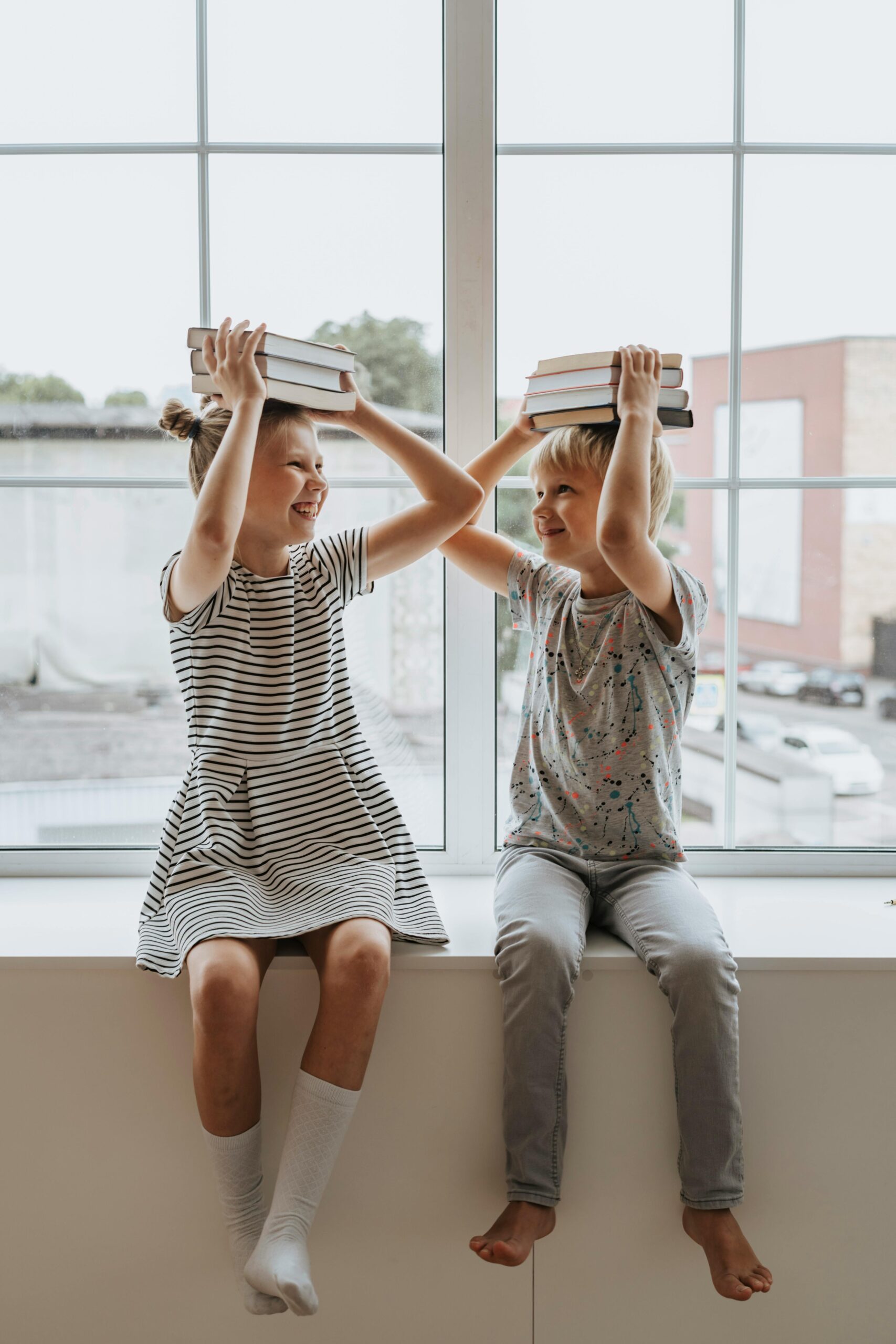
Several studies have examined the social outcomes of homeschooled students—and the results are encouraging.
- A 2013 study published in the Peabody Journal of Education found that homeschoolers often had higher levels of self-concept and fewer behavior problems than their traditionally schooled peers.
- Other research shows that homeschool graduates tend to be actively involved in their communities, churches, and civic organizations as adults.
These findings support what many homeschooling families experience firsthand: Homeschooled kids aren’t missing out on socialization—they’re just getting it in a different form.
Real-Life Social Confidence
One of the unique benefits of homeschooling is that children often grow up interacting with a wide range of people—not just those in their grade. This builds comfort in diverse settings and can make them more adaptable in conversations, jobs, and future relationships.
Homeschooled teens often show confidence when speaking with adults, expressing their ideas, or exploring interests without fear of peer judgment. That kind of grounding is a quiet strength that doesn’t always show up in a classroom—but shines in real life.
Pin it to read or reference later!
Final Thoughts
So, do homeschool kids struggle socially?
Sometimes. But not more than anyone else. The myth of the isolated homeschooler simply doesn’t reflect the reality of most homeschooling families today. Social opportunities are everywhere—and homeschoolers are participating, contributing, and building lasting relationships in creative and meaningful ways.
As a parent, you don’t need to fear the social question. You just need to be intentional. Stay open, seek community, and trust that your child’s social development will grow alongside their academic learning.
Because socialization isn’t about fitting in—it’s about growing up with the tools to connect well, care deeply, and communicate confidently, and homeschooled kids are doing just that, every day.