How Many Hours a Day Should You Really Homeschool?
One of the very first questions many new homeschooling parents ask is, “How many hours a day should you homeschool?” It’s a reasonable question—especially if you’re transitioning from a traditional school mindset, where children are in a classroom for six to eight hours a day. You might feel pressure to fill your day with structured activities and academic lessons, or worry that you’re not doing enough. The truth is, homeschooling looks very different from school at home—and that’s one of its greatest gifts.
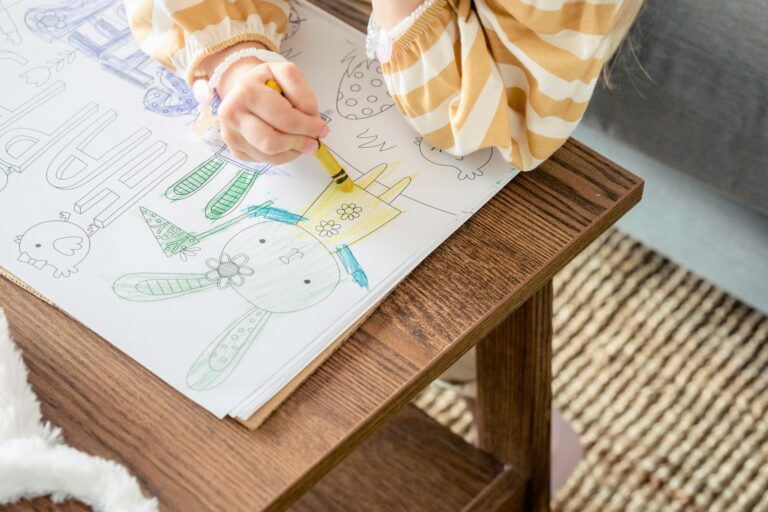
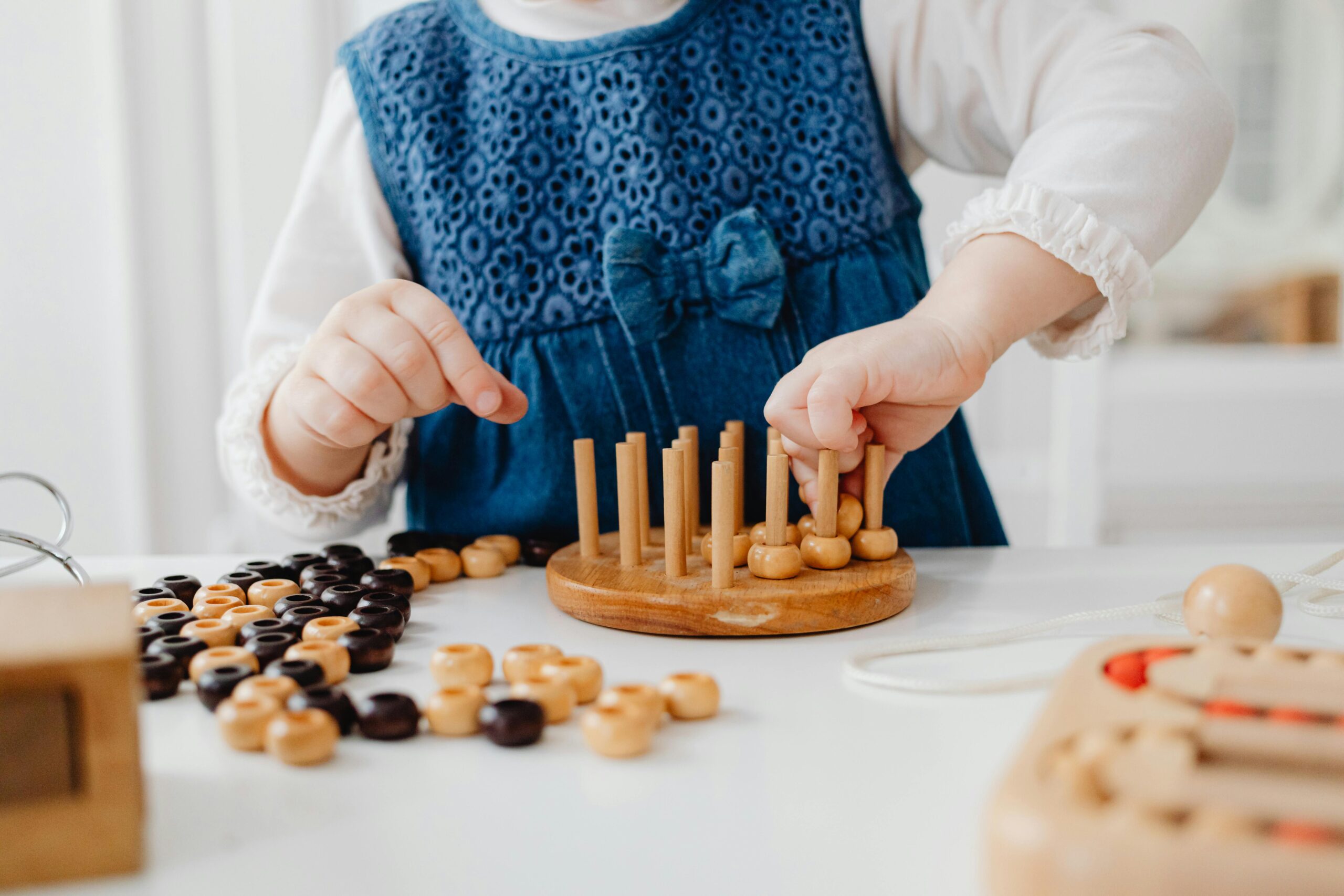
Homeschooling offers the freedom to meet your children where they are, honor their natural rhythms, and create a lifestyle of learning that doesn’t revolve around the clock. Learning can happen over pancakes in the morning, while building with blocks on the living room floor, during a walk around the neighborhood, or snuggled up with a book before bed. It’s not always measured in hours, but in engagement, growth, and connection.
In this post, we’ll break down realistic expectations for how many hours a day you should be homeschooling—based on age, method, and family life. Whether you’re planning your first year or adjusting your current rhythm, you’ll find encouragement and practical insight to help you feel confident, not overwhelmed.
The Truth About Time: It’s Not About How Many Homeschool Hours, It’s About Learning
Homeschooling is far more efficient than a traditional classroom. In schools, a lot of time is spent on transitions, classroom management, and busywork. At home, you can move at your child’s pace and focus on what truly matters.
I would say that you can expect anywhere from 2 to 6 hours per day of focused learning depending on the age and grade of your child—most of the time, less is more for younger children.
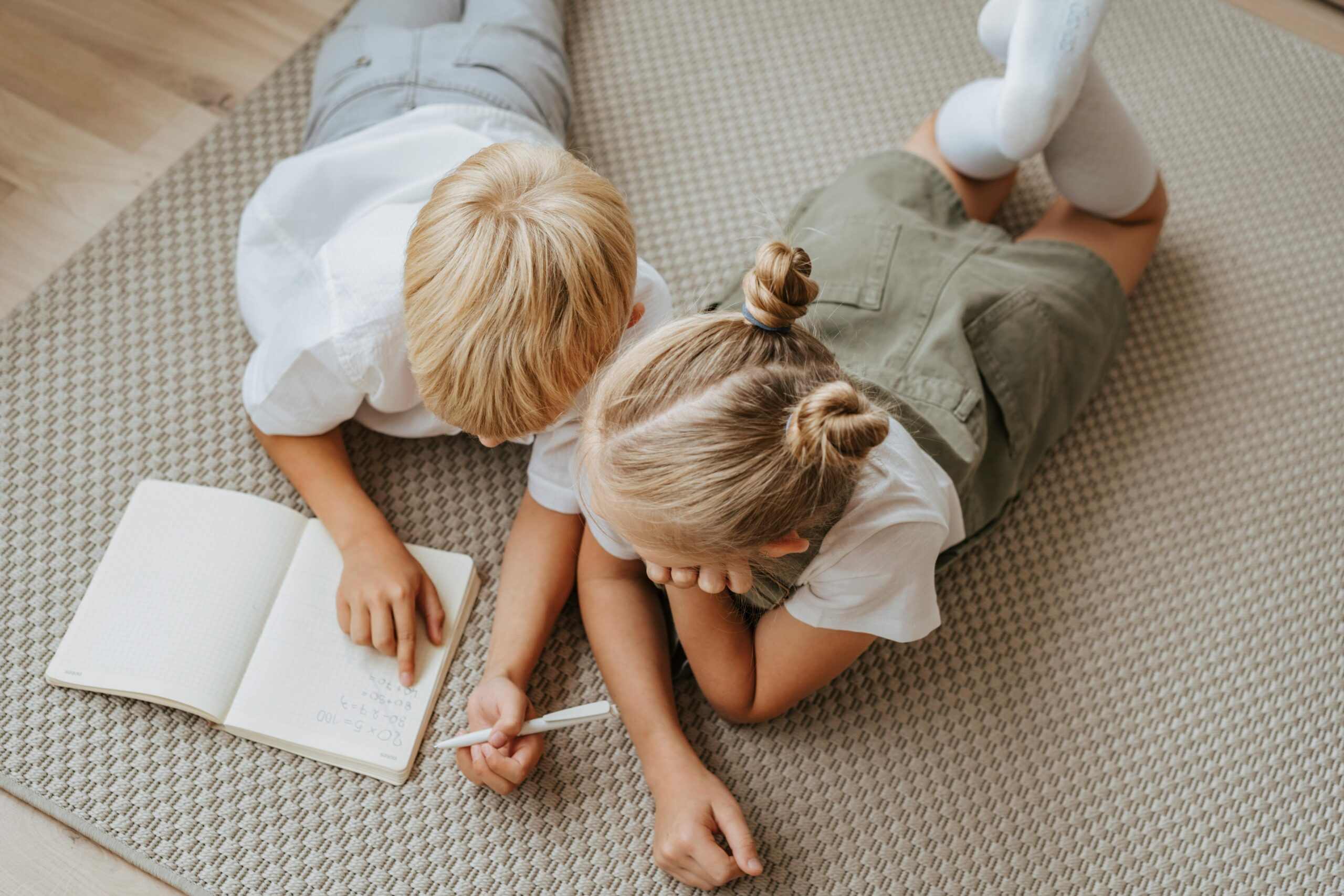
Suggested Daily Homeschool Hours by Age
These estimates are for focused learning time (math, reading, writing, etc.). They don’t include life learning like play, chores, or family reading time—which are all educational too!
Ages 5–6 (Kindergarten)
- 1 to 3 hours of homeschooling per day
- Focus on intentional and educational play, stories, short lessons, and gentle rhythms with maybe some age-appropriate book work or worksheets.
- If you’re doing a more structured program like Abeka, it will be more like 3 hours per day.
Ages 7–9 (Early Elementary)
- 1.5 to 3.5 hours of homeschooling per day
- Cover reading, writing, math, and explore science and history with hands-on activities.
- For a video based curriculum, you can expect more like 3.5 hours on average.
Ages 10–12 (Upper Elementary to Middle School)
- 2 to 4 hours of homeschooling per day
- Include writing projects, experiments, and skill-building work.
- For a video based curriculum, you can expect between 3-4 hours per day.
Ages 13+ (Middle to High School)
- 4 to 6 hours of homeschooling per day, depending on workload and goals.
- Encourage independence and time management as teens take on more responsibility.
- For a video based curriculum, if you plan to do “homework,” will take between 4-6 hours per day. That time includes at least one elective.
Learning Doesn’t End When the Lesson Does
Your child is learning all day long—during conversations, chores, nature walks, and creative play. Even if your structured time is shorter than some, remember that life itself is the curriculum.
Learning Can Happen Through:
- Read-alouds and audiobooks
- Nature walks and outdoor play
- Cooking, cleaning, and life skills
- Documentaries and podcasts
- Extra Unit Studies
- Games and building

What Shapes How You Arrange Your Homeschool Hours?
1. Your Homeschool Method
Charlotte Mason, Classical, Unschooling, Eclectic—your approach impacts your daily rhythm. Some families do short lessons; others enjoy longer projects or online classes.
2. Number of Children
Teaching more kids doesn’t mean longer hours. You can combine subjects like science or history for all ages and alternate one-on-one work.
3. Your Child’s Learning Needs
Some kids learn quickly, others need more repetition or breaks. Follow their pace and adjust as needed.
4. Your Season of Life
Life happens. New baby? Family move? Don’t stress. Scale back and focus on core subjects or use audiobooks and hands-on activities to keep things gentle while still making progress. In the harder seasons, don’t be afraid to do a little more outsourcing, too. Maybe have a babysitter once a week to come help with the house things so you can focus on school or have a family member who is good with math help the older kids with their algebra. It’s okay to get help!
Sample Homeschool Day (By Age)
Lower Elementary (Approx. 2-3 Hours)
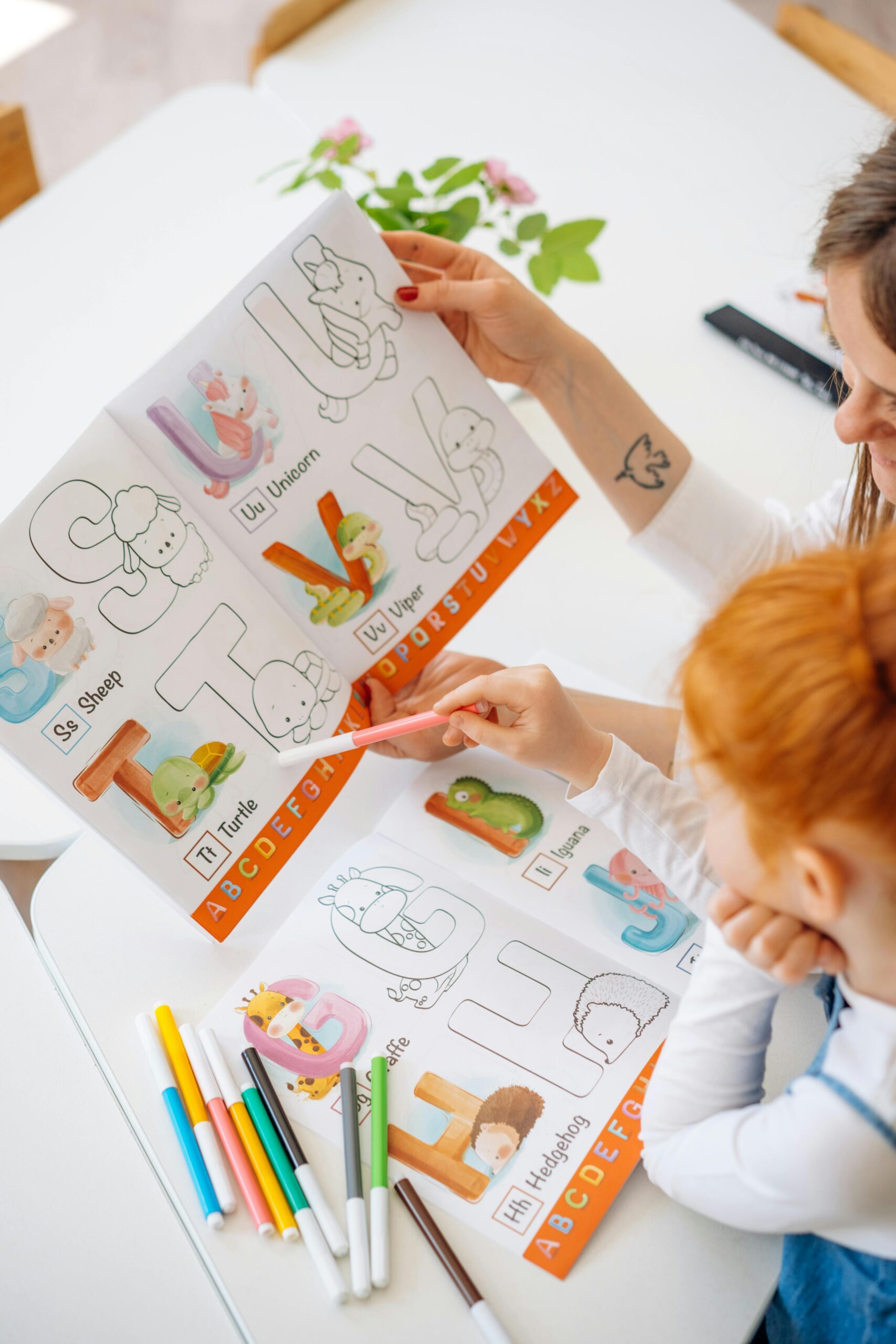
- 9:00 AM – Morning basket or read-aloud
- 9:30 AM – Math games or workbook
- 10:00 AM – Break and free play
- 10:30 AM – Reading and handwriting
- 11:30 AM – Science or outdoor exploration
Upper Elementary to Middle School (Approx. 3-4 Hours)
- 9:00 AM – Bible lesson, independent reading, or journaling
- 9:30 AM – Math lesson
- 10:30 AM – Language arts (writing, grammar)
- 11:30 AM – History and/or science
- 1:00 PM – Lunch and wrap-up
It’s Okay to Adjust and Switch Things Up
If you’re overwhelmed by your current schedule, don’t be afraid to adjust some things. Here are some ideas to try:
- Do history or science together as a family instead of individually
- Try something like math on Mondays and Thursdays and grammar on Tuesdays and Fridays. You’ll have to do more of the subjects on the days you do them, but it might help breathe new life into the routine.
- Add a theme to your week like space or insects.
- Start with a different subject every day for a week and see which one feels the most natural
- Add a documentary day once a month or so. You might be surprised how much your kids learn when the medium is switched up a bit!
Tracking Homeschool Hours (If Required)
If your state requires documentation, don’t panic. Many families keep it simple:
- Use a paper planner, spreadsheet, or attendance log
- Count informal learning (nature walks, co-ops, life skills)
- Stick to your method and adjust, as necessary

Pin it to read or reference later!
Final Thoughts: Build a Rhythm, Not a Regimen
Don’t get caught up in the myth that more hours means more learning. Instead, focus on building a rhythm—a flexible, life-giving pattern that suits your child and your family. As it has been said,
“Education is not the filling of a pail, but the lighting of a fire.” – William Butler Yeats (link here)
It’s not necessarily the amount of time spent but the quality of the time invested. Some days will feel incredibly productive. Others will be slow and scattered. That’s normal. That’s human. That’s homeschooling.
In the end, it’s not about how many hours per day you should homeschool—it’s about the relationship you are building and the love for learning you’ve nurtured along the way. Just take one step at a time, day by day, and watch the growth happen.
Until next time, happy homeschooling!
Looking for more posts about homeschooling? Here are a couple more of my posts!